Monday, July 10, 2023

10 Mistakes To Avoid When DIYing Your Home Renovation


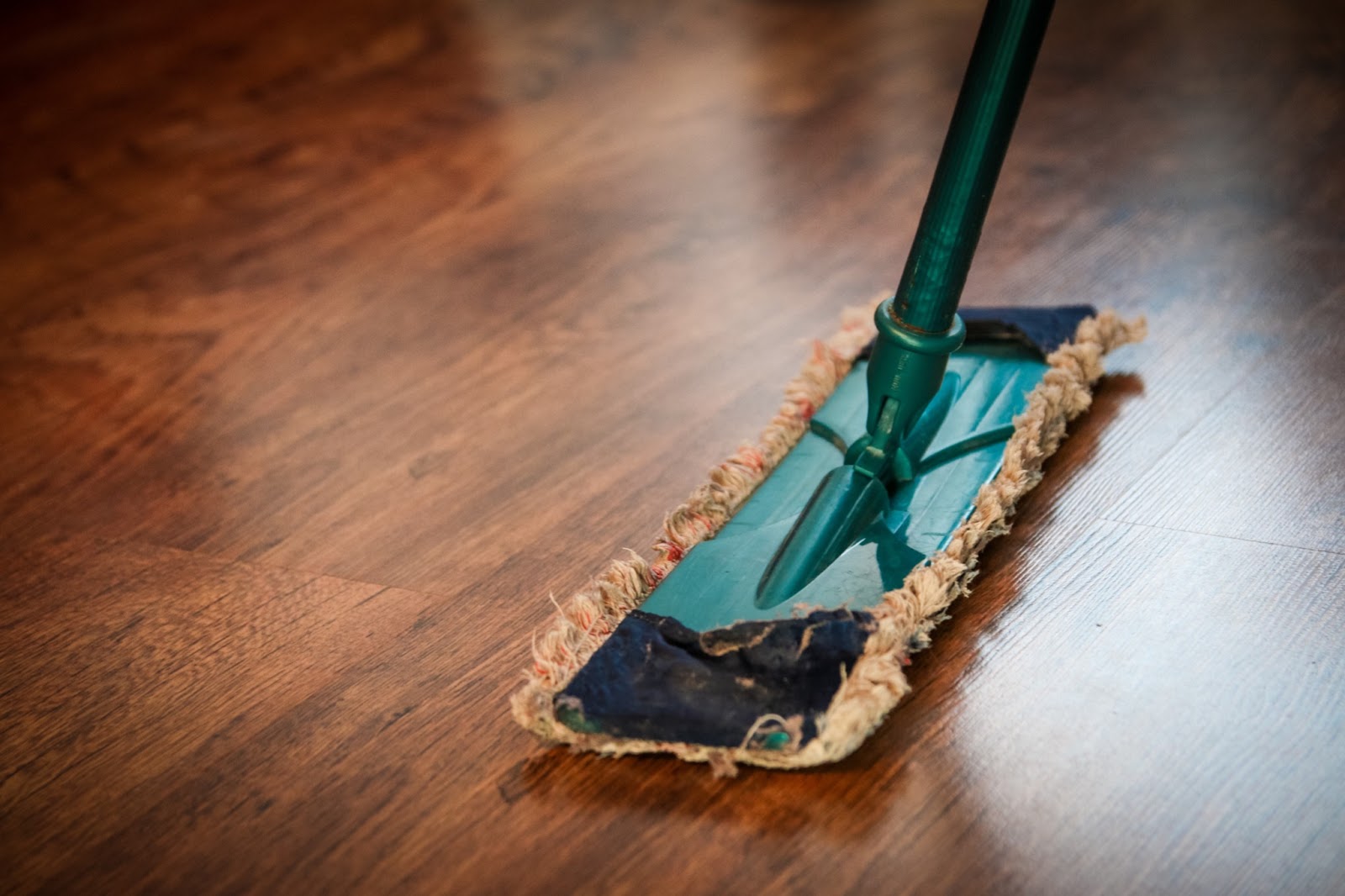
Image Credit: Coyot from Pixabay.

Deciding to DIY your home renovations is a relatively easy decision to make. It offers more than a few benefits, after all:

  • Saving you a significant amount of money

  • Avoiding any contractors that’ll rip you off

  • Giving you full control of what’s done to your home

That doesn’t mean DIYing your home renovation is an easy process, however. There could be a lot of work to do, as well as quite a bit of stress. You’ll need to be prepared to put the time and effort into it.

Then, there are the mistakes you could make when you’re DIYing any renovations. Even if you have the skills to get everything done, these could still come up. You’ll have to make sure they don’t, as you could cause more of a problem than you would’ve thought.

You’ll have to fix whatever problems it leads to, which could also involve hiring someone to do it for you. No matter what, there’ll be extra stress, hassle, and costs. That’s especially true with ten mistakes, each of which could be more common than you’d realize.

If you’re about to start DIYing around your home, it’s worth making sure you avoid these mistakes.

DIYing Your Home Renovations: 10 Mistakes To Avoid

1. Doing The Wrong Energy-Saving Measures

Energy efficiency is one of the more notable areas people focus on when renovating their properties. That doesn’t mean doing any energy-efficient upgrades are as recommended as others. Some could be much more recommended than you’d expect, and it’s worth focusing on them.

The more notable areas to look at are:

  • Energy-efficient lightbulbs

  • Cavity wall insulation

  • Upgrading your boiler

  • Draught exclusion

By focusing on these, you’ll make your home more energy-efficient without wasting time and money on unnecessary work.

2. Doing Unnecessary Work

Speaking of unnecessary work, energy efficiency isn’t the only area where you could waste your time and effort. It’s better worth focusing on the areas that’ll actually need work. In most cases, this comes in the form of a repair, not replace, situation.

See if you can repair any areas rather than completely replacing them. Replacing anything, even a window, can often take much more work than simply repairing it. It could even be more expensive and be more complicated, especially with DIY.

If you want to save yourself a bit of time and effort, make sure you’re not doing any unnecessary work.

3. Not Doing Your Research

As skilled as you might be with DIY, there’s no substitute for researching. Before you take on any project, you’ll need to make sure you know exactly how to do it. Spend as much time researching as you can, and you’ll be much better off because of it.

You’ll figure out the best way of carrying out any upgrades or improvements by yourself, making sure everything’s done right. As obvious as this is, many people feel overly confident about their abilities and skip this step. Make sure you don’t.

4. Removing Period Detail

Older properties have period-appropriate features, and these often add more character to a property. Quite a few people don’t realize that, however, and end up removing these period features and replacing them with something else. That could be a bigger mistake than you might’ve thought.

Instead, it’s worth repairing them whenever you can. Not only will they be visually appealing, but you’ll end up making your property more valuable because of it. Even if you’re not worried about this, the replacements you put in might look a little off because of it. They mightn’t fit properly, so you’ll end up needing to do more work with it.

5. Ignoring Rules & Regulations

Even if you don’t know it, there’ll be quite a few rules and regulations to follow when you’re renovating your home. That’ll be the case whether you’re DIYing it or hiring a professional. You should make sure you’re within all legal requirements before you start with any home renovation projects.

Before starting these projects, you should ask:

  • If you need to notify your neighbors

  • Whether you need planning permission

  • If you need planning permission

By being aware of these, you can get them sorted out before carrying out any work. If you don’t, you could end up running into legal issues in the future. You might even have to undo the work you carried out in the first place.

6. Making Negative Value Improvements

When you’re renovating your home, you’ll be focusing on a few particular areas. Making it  more appealing and functional for yourself. You could also want to focus on improving your home value with them. That means focusing on making the right renovations when you’re doing this.

Blocking windows and air vents, as well as doing any “improvements” that lead to future issues, are the most notable things to avoid. By focusing on renovations that almost everyone would love can be much better. If you eventually end up selling, you should get a much better price for your home.

7. Not Getting Enough Materials

You’ll need materials when you’re DIYing you home. There are various things you could need to pick up, with pine wall planks being a great option. This all depends on your personal preferences, and there shouldn’t be many wrong choices when it comes to visuals. You’ll still need to be careful with this, however.

You’ll have to make sure you get enough of the materials. You wouldn’t want to be in a position where you have to go back to the store to pick up more materials. It could be worth buying a little more than you’d think in case you make any mistakes during the renovation process.

8. Using The Wrong Materials

Speaking of materials, it’s worth making sure you have the right ones. This part could seem easy, but it’s natural to overlook a few core factors when you’re doing so. It’s worth sticking with materials that’re compatible with how the property was originally built.

If cement was used for construction, then you cement ro any renovations or upgrades. The same can be said for almost any other materials used to originally build the property. While that could mean needing to spend a little more to get certain materials, it avoids any issues in the long-term.

Keep the original construction in mind when you’re doing any work, and you shouldn’t have anything to worry about.

9. Not Budgeting Enough

DIYing is much less expensive than hiring a contractor to carry out the work for you. As mentioned above, you’ll need to have materials so you can actually start working on the renovations. Then there are the tools you could need to buy specifically for any projects you’re doing.

While cutting out a contractor saves you a decent amount of money, it doesn’t mean that you wouldn’t have a decent price to pay. The cost of materials and tools could be higher than you’d think, so make sure you don’t underestimate them.

Budget enough to cover all of the materials and supplies you need, and then add an extra 10% to 15%. It’ll make sure you’ve some money set aside for any mistakes you could end up making.

10. Taking On Too Much

Depending on your house, a lot of work could need to be done. That doesn’t mean you should take on all of it yourself. In some cases, you could be out of your depth, and you might’ve have the skills for it. In others, it might simply be too much work just for one person.

It’s worth avoiding taking on too much work, as you’ll end up wearing yourself out and spreading yourself too thin. You’ll eventually do worse work because of that, no matter how good you are with your tools. Even if there’s a lot of work to be done, it’s worth going one project at a time.

Focus on the largest issues first; the ones that’ll be the most hassle and stress. Once these are out of the way, everything else will be easier and easier. You’ll end up making sure you’re not overworked, especially if you have to work a day-job at the same time.

DIYing Your Home Renovation: Wrapping Up

DIYing your home renovation is an easy choice for many people, but that doesn’t mean it’s the easiest thing to do. You’ll save quite a bit of money doing it all yourself, but only if you do it right. You’ll have to avoid making various mistakes throughout the process.

Some of these can be more common than you’d think. No matter how confident you are in your skills, you’ll still need to be on the lookout for them. By doing so, you’ll avoid needing to fix anything you might’ve broken or needing to get more work done later on.

Using the wrong materials, taking on more work than you can handle, ignoring rules and regulations, and similar mistakes can all be some of the more common mistakes. If you’re DIYing your home renovation, make sure you keep an eye out for them.



Tuesday, June 27, 2023

Smart Strategies for Downsizing

 Today's world can place undue stress on us to own more. But downsizing - whether it's our space, expenses or material possessions - doesn't just need to be seen as necessary but can actually be quite liberating! To help ease this transition we have put together a list of effective downsizing strategies - from sorting strategies and dos and don'ts, storage solutions and myth busters; all in our blog post about effective downsizing! And this way you'll say goodbye to clutter while still having full control and freedom over everyday life!

Photo by HiveBoxx on Unsplash


Sort Strategies

Begin by sorting through your belongings. Start by organizing them into four categories - keep, donate or sell, store and recycle. This will enable you to make informed decisions about which items deserve keeping and which should go.


Keep 

Your first priority should be keeping only what is necessary and joyful for you. Anything that doesn't add any benefit should go. Think about what brings back good memories or serves an essential function and remove anything that doesn't serve them!


Donate or Sell

Consider finding items in good condition but no longer serve a function for you to donate to charities, while selling items may provide extra cash in hand.


Store

If you have items you wish to keep but don't require right away, self-storage units offer an easy solution for keeping items that may come in handy later without taking up valuable room in your home. Self-storage units provide space-efficient ways of keeping these important possessions out of sight until their time comes.


Recycle

When disposing of items, make sure they are recycled or disposed of responsibly. Most cities have recycling centers available that provide safe processing of electronics and other hazardous items that need to be discarded in an environmentally responsible way.


Declutter Your Space

Now it is time to clear out clutter by organizing your space and setting some rules for yourself.


Starting to Organize

Get all the clutter out and sort through each item individually before deciding if any need to go or need storage solutions or other ways of organizing.


Set Rules 

Establish some ground rules when sorting through your items. This could involve only keeping what is absolutely essential and discarding anything that no longer makes sense or serves its original purpose.


Reorganize Your Space

After you’ve de-cluttered and sorted through your items, it’s time to reorganize your space. Assign each item its own designated space so everything can be neatly stored away - this will keep your home neater, easier to navigate, and make finding what you need quicker and simpler!


Do's and Don'ts of Down-Sizing

Once your space has been cleared of clutter and organized, it's time to consider downsizing. Here are some do's and don'ts when it comes to downsizing:

Do's

  • Start Small – Get the ball rolling by starting small by taking on one room at a time or even just an area in a room.

  • Establish Goals - Before embarking on downsizing, set realistic and attainable goals and develop a plan.

  • Be organized - Staying organized will make the process simpler and ensure you stay on track.

  • Donate or give away unwanted items - There are likely plenty of people out there who could benefit from receiving your unwanted goods.


Don'ts

  • Do not become overwhelmed - break tasks down into smaller chunks and take breaks as needed between work sessions if possible.

  • Don't hoard - Only hold on to what's necessary and don't be afraid to part ways with any items you no longer need or use.

  • Don't procrastinate - It can be tempting to procrastinate in approaching downsizing, but staying motivated and getting it done are essential steps towards successful transition.


Storage Solutions

Sometimes the only thing preventing us from downsizing is finding somewhere to put all our stuff until it's time to use it again. But there are numerous storage solutions available that can help maximize space efficiently while keeping things neat and organized. Consider shelves, bins, drawers or baskets so that you can maximize space without compromising style.


Shelves and Drawers

Shelves and drawers provide a great way to organize items that need to be stored out of sight but within easy reach, such as books or trinkets. By making the most out of available space, shelves and drawers help organize everything and maximize efficiency.


Bins and Baskets

Bins and baskets make the ideal way to keep items that need access but don't necessarily belong on display easily accessible, like clothing, toys and blankets. Plus they come in various styles and colors so you're sure to find something suitable for your space's aesthetic.


Hooks and Pegs

Hooks and pegs can be great tools for hanging items such as hats, scarves, coats and bags from hooks or pegs, while they're also excellent at organizing jewelry or any other accessories you want on display.


Self Storage 

If you don't have enough room to keep all your possessions, self-storage may be the perfect solution for you. SecureSpace self storage facilities offer safe and cost-effective storage facilities to suit every need imaginable - their storage options range from basic lockers to secure vaults that will meet all your requirements!


Maintenance 

Downsizing is not a one-time task; rather, it requires ongoing upkeep. Take the time each week or month to go through your items and purge anything that no longer fulfills a purpose or brings you joy; this will help ensure your home remains tidy and organized with only what's essential in its structure.


5 Myths About Downsizing

Myth 1 of Downsizing means getting rid of everything.

Fact: Downsizing doesn't have to mean giving away everything in your possessions. Instead, it simply means taking time to assess what you truly require or don't require and eliminating anything that doesn't add meaning or bring pleasure into your life.


Myth 2: If you rent, downsizing isn't possible.

Fact: While renting does limit how much space is available to you, that doesn't prevent you from downsizing. Apply the same principles - carefully evaluate each item to see whether or not it fits into your lifestyle needs.


Myth 3: Downsizing will leave you feeling deprived.

Fact: Downsizing can be quite liberating! It will free up much time and energy that was previously being spent organizing or cleaning items you no longer require; plus it will create more breathing room within your home for peace and serenity.


Myth 4: Downsizing will leave you feeling lonely.

Fact: No! Taking time to reduce belongings allows for more quality time with family and friends, plus makes moving easier if necessary - giving you more freedom to explore new places without needing to pack everything up every time you travel or change up the scenery!


Myth 5: Downsizing costs money.

Fact: Downsizing doesn't need to cost money; in fact, it could actually save money over time! Cutting your cleaning costs by getting rid of items you no longer use or need, downsizing can save money in the long run - plus selling unwanted items could even bring in some extra revenue!

Photo by HiveBoxx on Unsplash


Downsizing doesn't need to be daunting - just think of it as an opportunity to reclaim space and rid yourself of excess items. Take time to assess what items you really need or don't and it will create a more organized lifestyle and allow for greater freedom and flexibility to live life on your terms. Don't fear downsizing; it could be an invaluable way to simplify life and make room for meaningful experiences!


Thursday, June 15, 2023

The Types of Home Maintenance That Home Owners Can't Skip Out On


Image credit


When it comes to maintenance for homeowners, what tends to go through people's minds are all of the simple things, such as caulking the bathtub, painting walls, or cleaning drains. Sure, these are easy and fairly stress-free. But these are small, and while yes, they do have an impact on the house, whether it be structural integrity or aesthetics, this isn’t going to transform a house. 

In fact, there is some maintenance that needs to be done, sometimes pretty regularly, or else your entire house could just be destroyed. It’s pretty scary to think about, right? Well, it’s sadly just a part of reality, all houses need regular maintenance, and there is some maintenance that needs to be prioritized more than others. So, here’s some home maintenance that homeowners should simply not skip out on. 

Check Your Water Heater

Obviously, like any other homeowner, you’re going to want a clean and healthy space, and in order to achieve that, you’re going to need to look into things that you may not have usually considered, like the water heater. Water heaters are one of the most used appliances in a home, and if they are not maintained properly, they can lead to many issues. Annual maintenance can help extend the life of a water heater and prevent costly repairs. 


But it’s not just about extending its life or having comfortable baths. Generally speaking, this is important for other reasons too.  A water heater that is neglected will rust and can cause major damage to the tank and plumbing. Also, sediment will build up, which can reduce the amount of hot water a tank can hold, causing delays in showers or other uses. Overall, this is going to be far from ideal, which is why you need a close eye on it.

Roof

At one point in time, you’re going to need a roofing contractor. Why? Well, usually, every 15 to 25 years, the roof needs to be checked. If you’ve been living there for a series of years and it has yet to be checked, then it might be time to do so. The not-so-obvious protections that a well-maintained roof provides include preventing energy waste, which saves the homeowner money throughout the year and keeps moisture away from the studs, rafters, walls, and foundation of the house, avoiding costly mold, bacteria, and water damage. 


Many homeowners think of the things they need to do to maintain their home, such as replacing the furnace filter, shutting off water spigots before winter, cleaning out the garage, and repainting the deck. But the one thing that is often overlooked is a roof inspection. That roof inspection (from a professional) is 100% necessary! This affects your structural integrity, insulation, mold prevention, and so much more. You basically can’t even have a home if your roof isn’t in good condition. 


Gutters

Alright, so this one is fairly small, but it still makes such a major difference. For the most part, homeowners know that they need to do this. But since it seems so small, it’s often brushed off as not being a big deal. Gutter cleaning is one of the most important autumn (and spring) maintenance tasks for any homeowner. It may not be the most fun or appealing of home chores, but a properly maintained gutter system can save homeowners thousands in water damage. 


Gutters are designed to direct rainwater and snowmelt away from the foundation of the house. When these systems are clogged, they can no longer do their job, and water seeps down to the soil around the foundation, causing cracks in the walls. Standing water can also breed pests like mosquitoes and rodents. This is a serious health and safety concern for any family. Plus, there’s a chance this can get into your house siding, too; definitely not a good look. 


A Deep Cleaning

A lot of homeowners consider this to be nothing more than tidying up the home, but in a way, a good deep cleaning is also needed. Over time, dust just builds up, stains, and there might even be issues within your home you’re literally not going to know or see unless you do a deep cleaning. It’s up to you whether you do the deep cleaning or hire a professional like Ocala house cleaning service, but in general, a deep cleaning can very well be the thing that helps prevent issues in the home from spreading, such as pests, mold, or even something like dust building into your HVAC. So that’s something to keep in mind.

House Siding

These aren’t just for aesthetics, but they also keep your house safe too. The maintenance is really going to depend on the type of house siding you have, such as concrete, wood, brick, stone, etc.  Wood siding benefits from regular cleanings to prevent the growth of mold and mildew. It is also a good idea to treat the surface with a wood stain or clear sealant. Wood stain sinks deeper into the wood and protects against fading caused by the sun’s UV rays.


During your spring cleaning, be sure to walk around the house and check for cracks or damage. Make sure your gutters are in good working order and that any vegetation is trimmed away from the house. If your house is brand new, or you recently received new house siding, then it’s best to look into the manufacturer's instructions for proper care. All siding is different, so you need to be cautious. 

HVAC

The summer and winter are the two biggest seasons when your HVAC gets used. They make your home far more tolerable to live in and just more comfortable in general. It’s always a good idea to schedule routine maintenance for your HVAC system. This helps to ensure that the warm and cold air pumping through your vents is clean and filtered. It also reduces the risk of carbon monoxide poisoning. 


Don’t Forget the Electricity! 

For many, they won’t check until they see sparks or smoke from their outlet. Clearly, this is looking into an issue when it’s essentially too late. This is why you should try to have an annual check on your electricity, as there could be a long list of reasons why it could potentially not work right. Regular electrical inspections are key to ensuring your equipment is safe and working properly. 


Checking for faulty wiring, loose connections, and other issues are critical to preventing fires or losing power. A quick test with an outlet tester (available at any hardware store) can help ensure your outlets are functioning correctly. Additionally, consider investing in a multimeter to easily troubleshoot problems. Also, be sure to switch off and remove any “energy vampires” from your home, such as computers, TVs, or gaming devices, that use up energy even when they are not in use. These can quickly lead to overheating and potential fires.


Doors

Doors serve as entryways for most rooms in the house. It’s important to check all doors and their locks and hinges to ensure they can secure your home. Check your garage door as well to see if there aren’t any holes or damages. If there is one or more of those, book a garage door repair service for peace of mind.


Friday, June 9, 2023

Essential At-Home Tasks To Maintain A Clean And Healthy Space

 Keeping your living space clean and healthy is not just about tidying up. It's about maintaining the infrastructure of your home, creating a pleasant atmosphere, and, most importantly, safeguarding your family's health. This article will explore some essential jobs you can do at home to maintain a clean, safe, and healthy living space.

Via Pexels

Regular Dusting And Vacuuming

One of the most basic but important tasks in maintaining a clean and healthy home is regular dusting and vacuuming. Dust and allergens can accumulate quickly, especially in homes with pets or in high-traffic areas. A good routine includes dusting all surfaces at least once a week, paying special attention to corners and hard-to-reach spots where dust bunnies like to hide. Vacuuming should also be done at least weekly, with a focus on carpets and rugs where dust and allergens can become embedded.

Kitchen Deep Cleaning

The kitchen, being a place where food is prepared and often consumed, requires extra attention. A weekly surface clean is necessary, but a monthly deep clean is also important to prevent the build-up of grease and bacteria. This involves cleaning the inside of your oven and microwave, sanitizing cutting boards, cleaning out the refrigerator, and descaling your coffee machine and kettle. Not only will this make your kitchen safer and healthier, but it will also improve the taste of your food and drink.

Tidying Up Outdoor Spaces

Outdoor spaces like your backyard, patio, or balcony can often be overlooked in cleaning routines. But keeping these areas tidy and clean can drastically improve the overall appearance and atmosphere of your home. Regular sweeping or hosing down of patios and decks can prevent the accumulation of dirt and grime. Maintaining your lawn and garden not only keeps the space looking beautiful but also reduces the possibility of pests. Meanwhile, cleaning outdoor furniture can help extend its life and keep it looking fresh. By keeping your outdoor spaces as neat as your indoor ones, you can enjoy a healthier, more harmonious living environment.

Bathroom Sanitization

Another critical area in your home that needs regular deep cleaning is the bathroom. It's not just about keeping it visually clean, but also about eliminating germs that can cause illness. Start with the usual suspects – the toilet, the shower or bathtub, and the sink. But don't neglect less obvious areas, like shower curtains or liners, bathroom mats, and any containers or bottles kept in the bathroom. Using appropriate cleaning products and techniques can help reduce the spread of bacteria and other germs.

Indoor Air Quality Improvement

Indoor air can often be a lot more polluted than outdoor air. Ensuring proper ventilation, regularly changing air filters in your HVAC system, and using air purifiers are vital tasks for improving air quality. In some cases, professional duct cleaning may be necessary for optimal results. Companies like https://www.jcs-homeservices.com/duct-cleaning-winchester-va/ offer comprehensive solutions to ensure your home's air is clean and healthy by offering vent cleaning services. Don't overlook the importance of clean air in your home; it's a crucial aspect of a healthy living environment.

The tasks may seem like a lot, but they can be broken down into manageable chunks. With regular maintenance, you'll create a home environment that is not only clean and pleasant but also healthier for you and your family. The peace of mind that comes with knowing you're taking steps to protect your family's health and safety is well worth the effort. And remember: a clean home is a happy home.


Related Posts Plugin for WordPress, Blogger...